


سبد خرید شما خالی است.


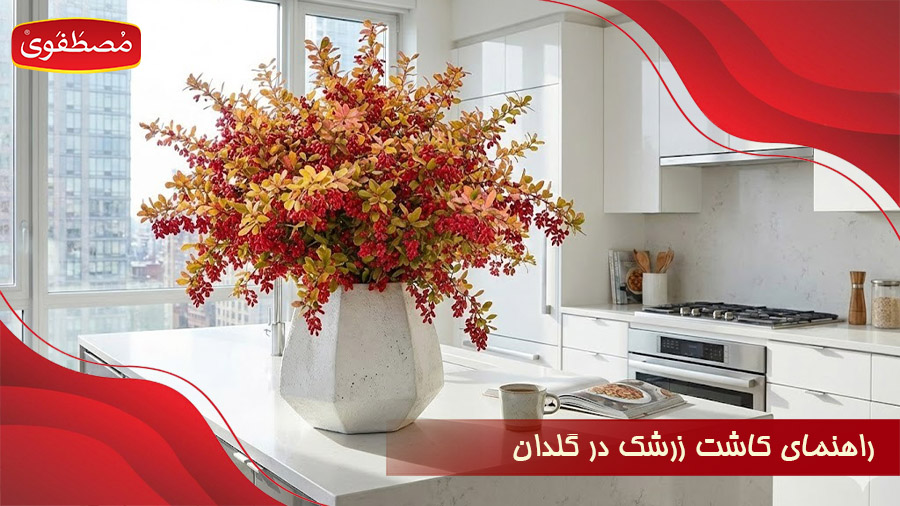

Guide to Growing Barberry in Pots and Maintenance Conditions
January 5, 2026
Barberry, recognized as one of Iran\\\'s most valuable agricultural products and a well-known souvenir of Mashhad, holds a special place in the Persian food basket. Beyond its wide culinary use as a seasoning and flavoring agent, it is also utilized in traditional medicine and herbal teas due to its numerous health benefits. Growing barberry in pots allows you to enjoy the beauty of an evergreen, fruit-bearing shrub even in limited spaces such as apartments, balconies, or terraces. Given suitable conditions, barberry can grow between 1 to 5 meters depending on the species and pot size, adding an ornamental and functional touch to your living space.
Importantly, barberry is a low-maintenance, resilient plant that is easier to care for than many fruit-bearing shrubs. This quality makes container gardening of barberry an economical and practical choice for home gardeners. Whether your goal is aesthetic appeal, harvesting a healthy and natural product, or learning about various varieties like black barberry, this comprehensive guide will help you achieve the best results with full awareness.
Planting Barberry in Pots
The high resilience of the barberry shrub is a primary reason for its popularity in container gardening. Native to temperate and subtropical regions, it requires little water and performs reliably across various climate conditions. Flowering and fruiting usually occur in late summer and early autumn, giving the plant high ornamental value alongside its practical use.
Whether your space is a villa courtyard or a small apartment balcony, success relies on following fundamental planting and care principles. Selecting the right pot, proper soil, a suitable propagation method, and paying attention to light and temperature will guarantee success. Below, these steps are explained step by step so that even beginners can navigate the planting process without confusion and ultimately grow a healthy, abundant shrub.
Preparing Suitable Soil for Potted Barberry
Like any plant, barberry requires fertile, nutrient-rich soil for optimal growth; however, when grown in a pot, soil quality becomes twice as critical. Because root space is limited, even minor flaws in the soil mixture directly affect growth and yield. The best option for potted barberry is sandy loam containing lime, which offers proper drainage while supplying necessary nutrients to the roots.
The ideal soil pH for barberry is around 8 to 9 (slightly alkaline). While barberry tolerates soil and water salinity well, avoiding excessively salty soil in home environments is best to prevent root damage. The recommended mix consists of sifted garden soil, washed sand, a portion of leaf mold, and well-rotted animal manure or vermicompost. In addition to providing nutrients, this mix prevents excessive water retention in the pot and reduces the risk of root rot.
Choosing the Right Propagation Method
There are three main methods for growing barberry in pots: planting seeds, planting saplings or cuttings, and using suckers (root offshoots). Your choice depends on your patience, goals, and available resources. Although seed planting is cost-effective, it is time-consuming and takes several years to reach the fruiting stage. On the other hand, planting saplings or cuttings offers a faster route to results.
Various barberry varieties are available on the market, with seedless barberry being the most premium. The quality of the barberry used—whether for culinary purposes or teas—directly impacts its flavor, color, and properties. Therefore, sourcing seeds or saplings from reputable centers is recommended. If you ultimately prefer accessing the final product hassle-free, purchasing high-quality, pre-packaged barberry is a practical choice.
Steps for Growing Barberry from Seeds in Pots
Seed propagation is a common yet time-intensive method. Barberry seeds are small and delicate, requiring specific conditions for germination. First, soak the seeds in lukewarm water for 24 hours, changing the water once or twice to prevent spoiling. Plant the seeds about 1 centimeter deep in the prepared soil and cover them with a thin layer of fine soil.
Water carefully so the soil remains consistently moist without becoming waterlogged. Place the pot in a semi-shaded, relatively warm area, preferably outdoors. Germination can take anywhere from two weeks to two months. Once the young seedlings develop several leaves, transplant them into larger pots to allow sufficient space for root growth. Late spring to early summer is the blooming season for the barberry bush, and its yellow buds turn a deep cherry red by autumn.
Planting Saplings, Cuttings, and Suckers in Pots
If you prefer a faster, more reliable method, planting barberry saplings in pots is the best choice. Improved saplings from reputable sources offer a significantly higher chance of healthy growth and fruiting. Choose a container at least 50 centimeters deep and place a layer of gravel at the bottom for adequate drainage. Enrich the soil mixture with a small amount of well-rotted manure or ammonium phosphate fertilizer to boost early sapling growth.
Taking cuttings is another practical approach. Sever healthy, young branches from the parent plant in late winter or early spring and plant them in suitable soil until they root into new plants. Utilizing suckers, especially in autumn and winter, is also very effective—provided the soil remains moist and well-nourished. Separate the suckers from around the parent plant along with a generous root ball. A critical rule for planting barberry suckers is that their roots are highly sensitive to air exposure; plant them immediately after separation. If the planting bed is not ready, wrap the suckers in plastic or cloth to protect the roots from air contact.
Essential Care Tips for Potted Barberry (Watering, Light, Temperature & Pests)
Regular and systematic watering is crucial for success with potted barberry. Although barberry is drought-tolerant, conditions differ in container settings. Generally, watering once every 7 to 10 days is sufficient. After three years, you can extend the interval to once every two weeks. As a rule, allow the topsoil to dry slightly between waterings.
Barberry requires adequate, direct sunlight for optimal growth; at least 6 hours of sunlight daily is recommended. The ideal temperature range for growth is between 15°C and 20°C. Temperatures dropping below 7°C will cause the plant to enter dormancy, while flowering occurs between 19°C and 23°C. Barberry is generally pest-resistant, but if mites, aphids, or fungal diseases appear, timely and proper pest control is essential.
Pruning the Barberry Shrub and Harvesting Fruit
Proper pruning plays a key role in the health and productivity of the shrub. Because barberry produces fruit only on the previous year\\\'s branches—and each branch fruits only once—it is recommended to use pruning shears during harvest to cut the fruiting branches along with the fruit. This prevents spent branches from lingering in subsequent years and allows the plant to direct its energy into producing new shoots. Dead, weak, or diseased branches should typically be pruned in winter.
The thorns on barberry branches can cause injury; wearing thick gloves and using appropriate tools during pruning is essential. Harvest the fruit when the berries have turned uniformly bright red, which typically occurs in early autumn. Following these guidelines preserves the plant\\\'s beauty while extending its lifespan and productivity.
Final Remarks
Growing barberry in pots is a rewarding experience. However, keep in mind that bringing a barberry shrub to its fruiting stage requires patience and years of care. If your goal is simply enjoying high-quality barberry year-round, the easiest path is purchasing premium, packaged barberry from trusted brands.
Ultimately, whether you choose home cultivation or purchase ready-to-use products, understanding the planting and care conditions of barberry will help you make informed decisions and better appreciate this authentic Iranian product.
Share this article
 |
|

Similar articles

Appointment of Sahar Zekaiyan as Technical Manager of Food and Drug Organization Sample
با افتخار اعلام میکنیم سرکار خانم سحر ذکائیان، مسئول فنی شرکت زعفران مصطفوی مهر ایرانیان، در سال ۱۴۰۴ به عنوان مسئول فنی نمونه سازمان غذا و دارو انتخاب شدند. این...
2026/06/30

Selection of Mostafavi Saffron Mehr Iranian Company as the Exemplary Production Unit of the Food and Drug Administration
با افتخار اعلام میکنیم شرکت زعفران مصطفوی مهر ایرانیان در سال ۱۴۰۴ موفق به کسب عنوان واحد تولیدی نمونه سازمان غذا و دارو شد. این دستاورد ارزشمند نتیجه تلاش مستمر...
2026/06/30

Selection of Mostafavi Saffron Mehr Iranian Company as the Exemplary Standard Production Unit
شرکت زعفران مصطفوی مهر ایرانیان با افتخار اعلام میکند که در سال ۱۴۰۴ به عنوان واحد تولیدی نمونه استاندارد انتخاب شده است. این موفقیت، حاصل تلاش مداوم، پایبندی به استانداردهای...
2026/06/30

Selection of Sahar Zokaian as the National Exemplary Quality Control Manager in the Year 2025
با افتخار اعلام میکنیم سرکار خانم سحر ذکائیان، مدیر کنترل کیفیت شرکت زعفران مصطفوی، در سال ۱۴۰۴ به عنوان مدیر کنترل کیفیت نمونه کشوری انتخاب شدند. این موفقیت ارزشمند نشاندهنده...
2026/06/30
Guide to Growing Barberry in Pots and Maintenance Conditions
زرشک، به عنوان یکی از ارزشمندترین محصولات کشاورزی ایران و سوغات شناختهشده مشهدالرضا، جایگاه ویژهای در سبد غذایی خانوادههای ایرانی دارد. این گیاه علاوه بر کاربرد گسترده در آشپزی ایرانی...
2026/01/05
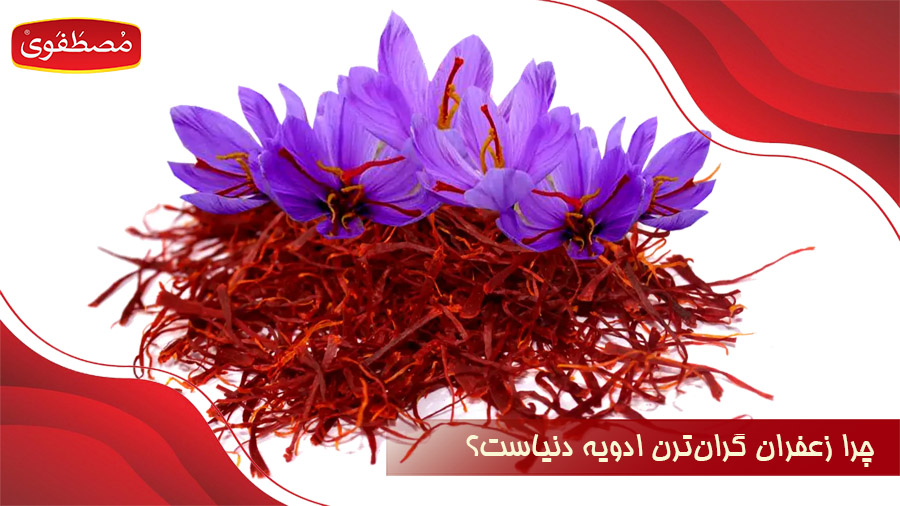
Why Is Saffron the Most Expensive Spice in the World?
زعفران که به طلای سرخ شهرت دارد، گرانترین ادویه جهان است و این جایگاه را بهدلایل متعددی به دست آورده است. این ادویه ارزشمند نهتنها در آشپزی، بلکه در صنایع...
2025/12/24
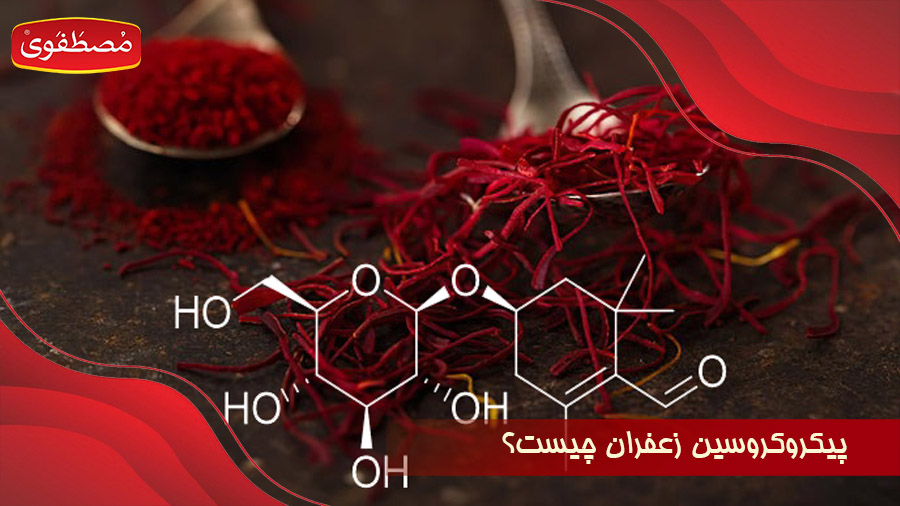
What Is Saffron\'s Picrocrocin?
زعفران یکی از پیچیدهترین گیاهان دارویی جهان است که ارزش آن تنها به رنگ و عطر محدود نمیشود، بلکه طعم خاص و منحصر به فرد آن نیز اهمیت بالایی دارد....
2025/12/17

What Is Saffron\'s Safranal?
زعفران یکی از ارزشمندترین گیاهان دارویی جهان است که شهرت آن تنها به رنگ و طعم محدود نمیشود، بلکه عطر منحصربهفرد آن نیز نقش مهمی در تمایز این ادویه دارد....
2025/12/15